

Strength is more useful when we understand how it fits together.
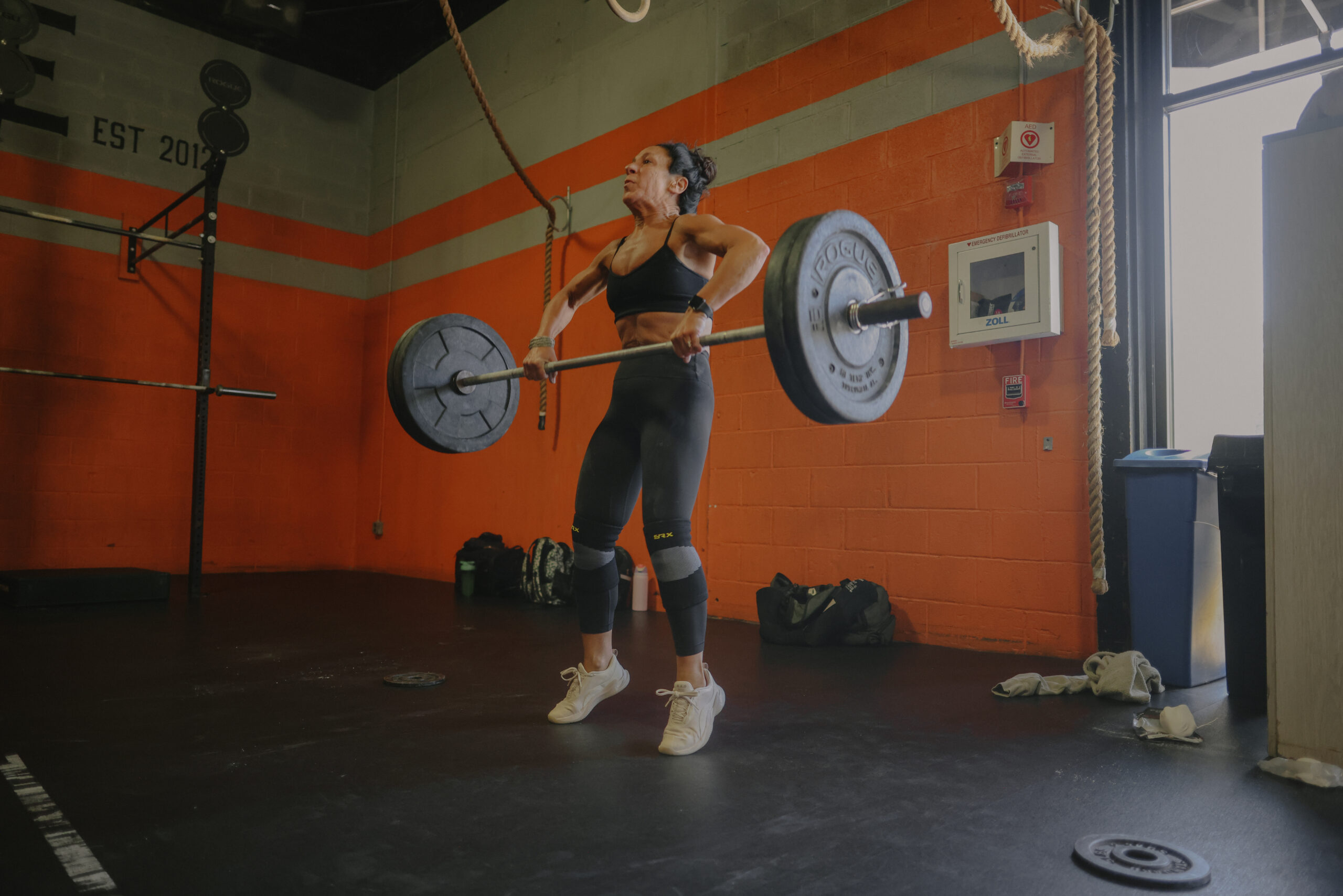
In strength sports such as Olympic weightlifting, coaches look beyond an athlete’s best lift. They also examine the relationships between lifts. Is the athlete’s pulling strength keeping pace with their squat? Does their trunk have the capacity to support what their legs can produce? Where might one area be limiting the whole?This is the idea behind strength balance: different muscle groups and movement patterns developing in proportion to the demands of the sport.
Coaches often use ratios between major lifts as reference points. A particular system might look for a deadlift around 125% of the back squat, for example. These benchmarks reflect decades of coaching observation—patterns in how athletes develop, where they stall, and what supports continued progress. They are guides rather than universal rules, but they offer something valuable: a way to assess strength as a system instead of a collection of personal records.I think distance running could benefit from a similar framework.
Relative Strength BalanceThe term I use for this is relative strength balance: the relationship between an athlete’s capacities across movements performed with their own body weight, particularly as repetitions accumulate.
Where traditional strength balance asks, “How does your squat compare with your deadlift?” relative strength balance might ask, “How does your calf capacity compare with your capacity at the knee and hip—and what happens to those relationships when you fatigue?”
For a runner, the question is not simply whether the legs are strong. It is whether the different parts of the system have enough capacity to meet the demands placed on them, repeatedly.
I have not established a set of ratios for this. What I do have is 20 years of training experience and tens of thousands of hours observing people move. That experience has made certain gaps hard to ignore. If you cannot perform eight controlled, full-range single-leg calf raises on each side, for example, I would question whether your calves are prepared for the running volume you want to build.
That is a coaching observation, not a validated cutoff. But it illustrates the kind of question this framework can help us ask.
Body-Weight Capacity Does Not Require Body-Weight-Only TrainingThe distinction matters because the movement we use to assess capacity is not always the best movement for building it.
An unsupported skater squat may be beyond an adult’s ability for months—or longer. A weighted reverse lunge, however, can often be taught and trained much earlier. It provides a practical way to build strength toward the more demanding body-weight movement.
External load and relative strength are not competing approaches. External load can be one of the most effective tools for developing control and capacity at body weight.
The larger idea is to give strength training for runners a clearer organizing principle. Instead of assembling exercises because they are considered “good for runners,” we can ask what each exercise develops, how those capacities relate, and where the athlete’s preparation falls short of their goals.The next step is to investigate those relationships and develop useful reference points. Strength sports have a long tradition of asking how much strength is enough – and enough in relation to what. I believe that same line of thinking has something valuable to offer distance running.
Strength Balance: From Olympic Weightlifting to Distance Running
Share This Story, Choose Your Platform!
About the Author: Dan Goldberg

Founding Partner & Head Coach at Syracuse Sweat Club